



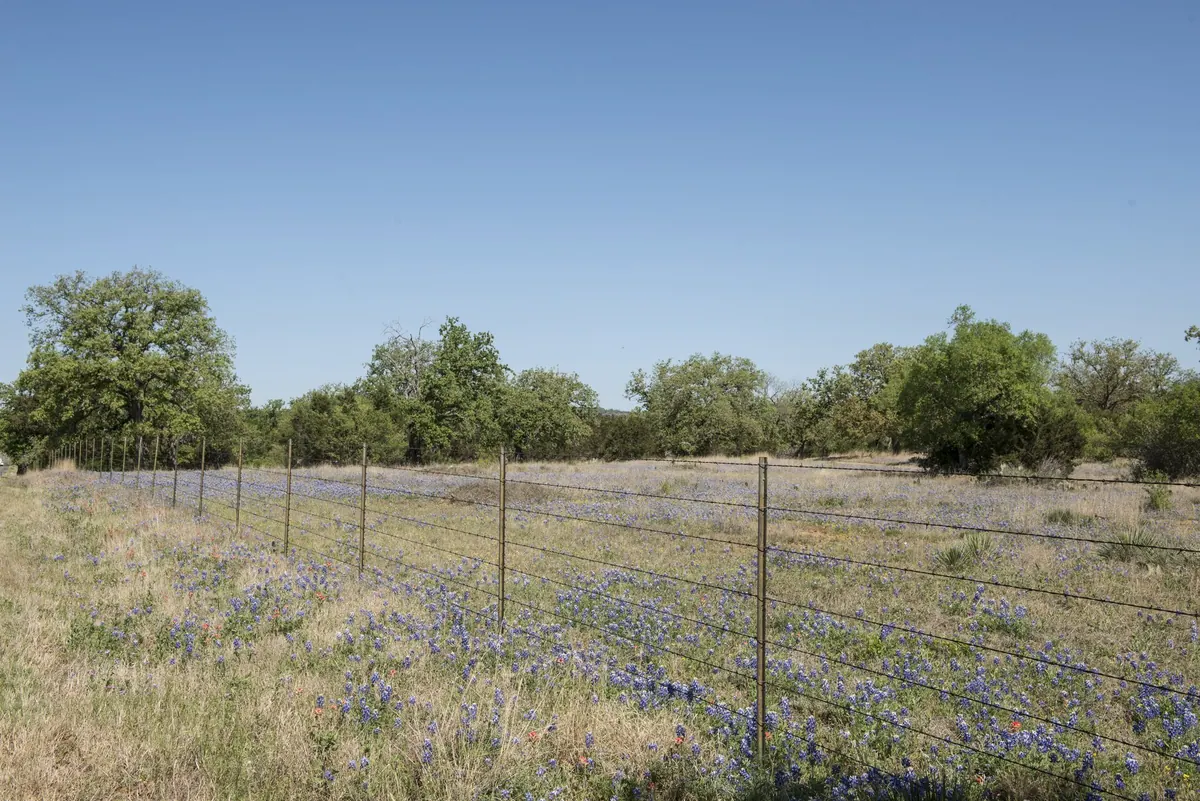
Riverstone services the paper Texas land developers create when they sell lots on terms: seller-financed notes secured by a deed of trust. We also run property-tax escrow on rural and agricultural-exempt tracts, where tax bills tend to surprise buyers who have never owned land before.
A typical client: a developer selling Texas lots on owner financing, with a book that grows from a few dozen notes to several hundred as later phases close.
What that client needs is a licensed Texas servicer that can set each lot file up correctly on day one, keep the legal descriptions straight as phases record, and keep county tax payments on schedule across every tract.
Schedule a ConsultationOnboard a Note
What makes lot paper different
Subdivision portfolios carry problems an ordinary mortgage book never sees. Legal descriptions shift when a plat records or a section is replatted, so the description in the note may not match the current county record. Buyers range from families who plan to build a home within a year to speculators holding a lot as an investment, and those two groups pay very differently. And every county appraisal district sends its tax bills on its own calendar, not yours.
Origination and RMLO licensing
If you make residential lot loans for compensation, Texas originator licensing may apply to you. Developers often point to the federal seller-financer exclusion, but that exclusion is federal only and does not waive the Texas licensing requirement. Most developer lot sales on terms need a licensed residential mortgage loan originator somewhere in the transaction.
Riverstone does not originate loans. Our role starts after closing. If you need an RMLO and do not have one, raise it during your consultation and we can point you toward options. Any properly licensed Texas RMLO works; boarding is the same no matter who closed the loan.

Where in Texas we service lot notes
We service notes on property anywhere in Texas. Developer paper tends to cluster in a few regions:
- Hill Country: Burnet, Llano, Gillespie, Blanco, Kerr, Bandera, Comal, Kendall, Mason, and Hays counties
- East Texas: Anderson, Henderson, Smith, Cherokee, and Wood counties, much of it rural, recreational, and agricultural acreage
- Greater San Antonio: Bexar, Comal, Guadalupe, Wilson, and Atascosa counties
- Dallas-Fort Worth: Dallas, Tarrant, Collin, Denton, Rockwall, Kaufman, and Ellis counties
- Houston and the Gulf Coast: Harris, Fort Bend, Montgomery, Brazoria, and Galveston counties
- West Texas and the Permian Basin: Midland, Ector, Howard, and Andrews counties
Paying property taxes through each county's tax office is part of our standard escrow work. It does not matter where you or we are located; the county that bills the tract is the county we pay.
Pricing a subdivision portfolio
Our published rate card applies loan by loan:
| Setup, per loan (one-time) | $150 |
| Monthly, per loan, no escrow | $35 |
| Monthly, per loan, with escrow | $40 |
| Late fees collected | Split 50/50 with the lender |
| Optional expedited boarding, per loan | $50 for a 48-hour turnaround |
| Research or correction when an intake file needs rework | $150 |
There is no long-term contract, and either side can end the arrangement with 60 days' notice. For larger developer books, we quote volume terms in writing. Bring a list of the loans and one or two sample files to a consultation.
Questions land developers ask
Do I need an RMLO to finance lots in my own subdivision?
It depends on the deal. If you make residential mortgage loans for compensation or gain, including loans on lots where a home will be built, Texas Finance Code Chapter 180 applies. Raw land and true business-purpose loans may fall outside it. The federal three-property seller-financer exclusion at 12 CFR §1026.36(a)(4) does not override Texas licensing.
Do you handle rural and Hill Country notes?
Yes, along with notes in Dallas-Fort Worth, Houston, Austin, San Antonio, East Texas, the Rio Grande Valley, and West Texas. Wherever the property sits, we pay its taxes to that county as part of escrow.
How is a bulk lot portfolio priced?
Each loan starts on the published card: $150 setup, $35 or $40 a month, a 50/50 split of late fees, the optional $50 expedite, and a $150 research fee if an intake file needs rework. No long-term contract, 60 days' notice to end it. Larger books get a written volume quote after we review the loan list with you.
Can I move my lot notes from my current servicer partway through?
Yes. The federal transfer rule at 12 CFR §1024.33 applies: the borrower gets notice at least 15 days before the transfer date, and payments sent to the old servicer during the first 60 days cannot be treated as late. Once we have a complete submission, boarding takes 5 to 10 business days, or 48 hours per loan with the $50 expedite. A large book needs extra time to gather files and reconcile the old servicer's ledger. See switching servicers for the full process.
How does tax escrow work on raw or rural land?
Texas appraisal districts value land every year, and tax bills usually go out in October or November with payment due by January 31. On each escrowed loan, we collect a monthly amount based on the prior year's bill, or an estimate for a newly created lot, pay the county before the deadline, and run the annual escrow analysis required by 12 CFR §1024.17. On agricultural or wildlife-exempt tracts, we base the escrow on the lower exempt valuation.
- How Riverstone services notes for lenders
- What servicing includes, and what it costs
- Texas foreclosure sale calendar
This page is general information about servicing Texas land notes, not legal, financial, or tax advice. Talk to a licensed professional about your own situation. Riverstone Note Servicing, LLC is a licensed Texas mortgage servicer based at 1602 N Interstate 35, San Antonio, TX 78208. We administer existing notes secured by Texas real estate and do not originate loans.